Service information
What to know about Septic System Repair.
A quick guide to common options, warning signs, and the kind of work Tanker's handles on local service calls.
Local service
A whole-system diagnosis
The first step is confirming which fixtures are affected, when the problem began, and whether the property uses gravity flow, pumps, treatment equipment, or another approved arrangement. Those details help distinguish a building-drain obstruction from a failure farther into the septic system.
Accessible alarms, floats, controls, pumps, piping, tank-area conditions, and disposal-area clues are reviewed together. The goal is to identify the failed component or operating condition instead of treating every backup as the same repair.
Local service
Repair, maintenance, and replacement are different
Pumping can be necessary maintenance or a safe first step for service, but it does not repair damaged wiring, controls, conveyance piping, pumps, treatment components, or a failing disposal area. A repair plan should address the cause that the inspection supports.
When the evidence points to a repairable component, Tanker's explains that focused scope. When age, condition, site constraints, or a broader failure make replacement worth considering, those factors are separated clearly from routine maintenance.
Local service
Property-specific planning around Marble Falls
Wastewater arrangements and permitting responsibility can differ across Marble Falls and neighboring Hill Country communities. Service starts with the actual address, system type, available records, and current site conditions rather than assuming every property uses the same equipment.
Work that changes an approved on-site sewage facility may require coordination with the authority responsible for that property. Tanker's can help define the repair scope so permitting, pumping, specialty service, or inspection needs are identified before work proceeds.
Local service
What to do when an alarm or backup starts
Reduce water use, stop using fixtures that are backing up, and keep people and pets away from wastewater. Do not enter a tank or attempt to work around electrical controls in wet conditions.
Call with the address, alarm behavior, affected fixtures, recent weather or service history, and any safe observations you can provide. That information helps the team prioritize the next diagnostic step.
Local service
Aerobic and low-pressure dose system concerns
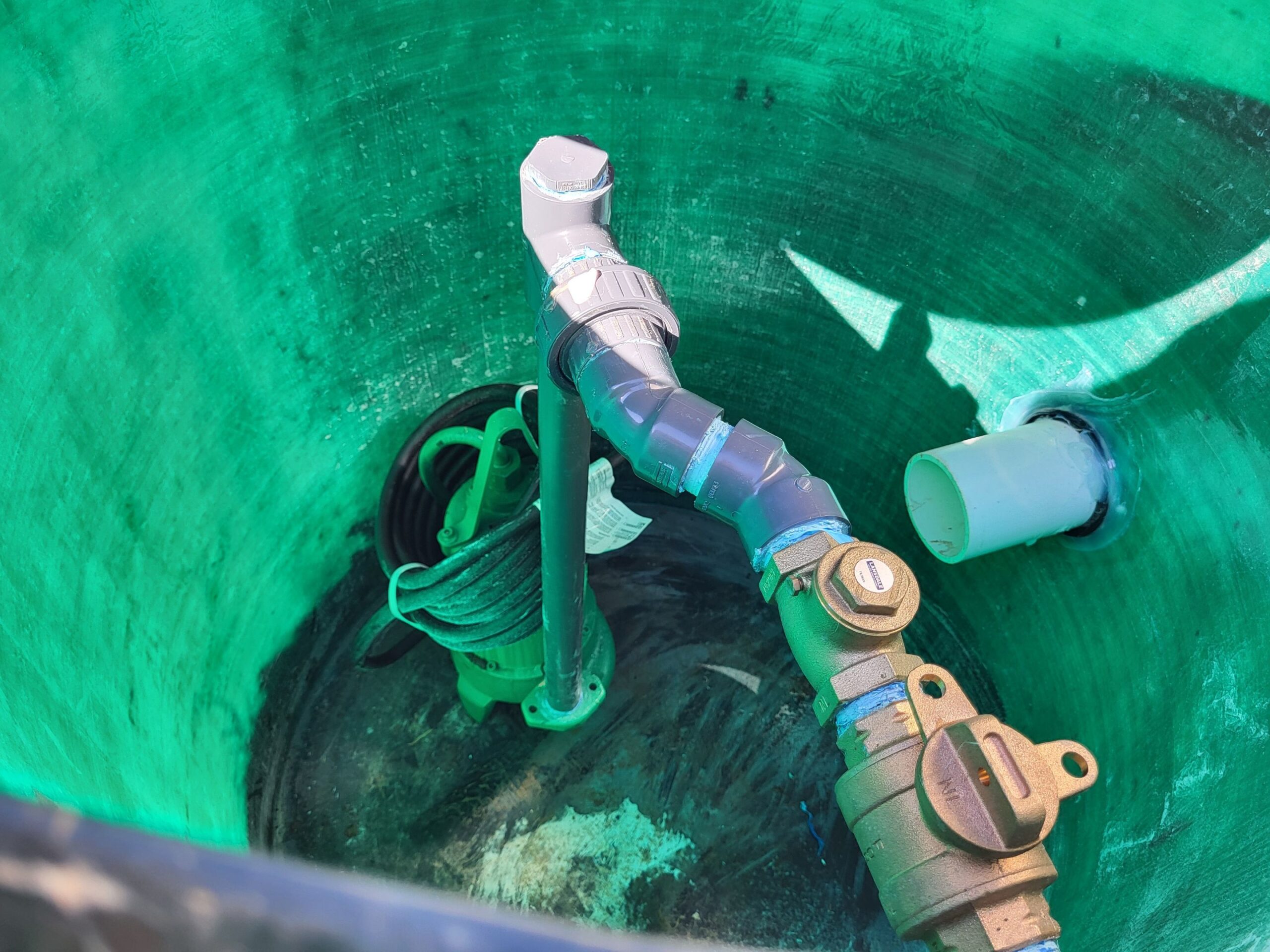
An alarm on an aerobic or low-pressure dose (LPD) system is useful information to share when calling. If you have system records, describe the equipment and any earlier pump work. The repair scope depends on the actual components and the cause of the alarm, rather than the alarm alone.
Local service
Tank lids, risers, and access for service
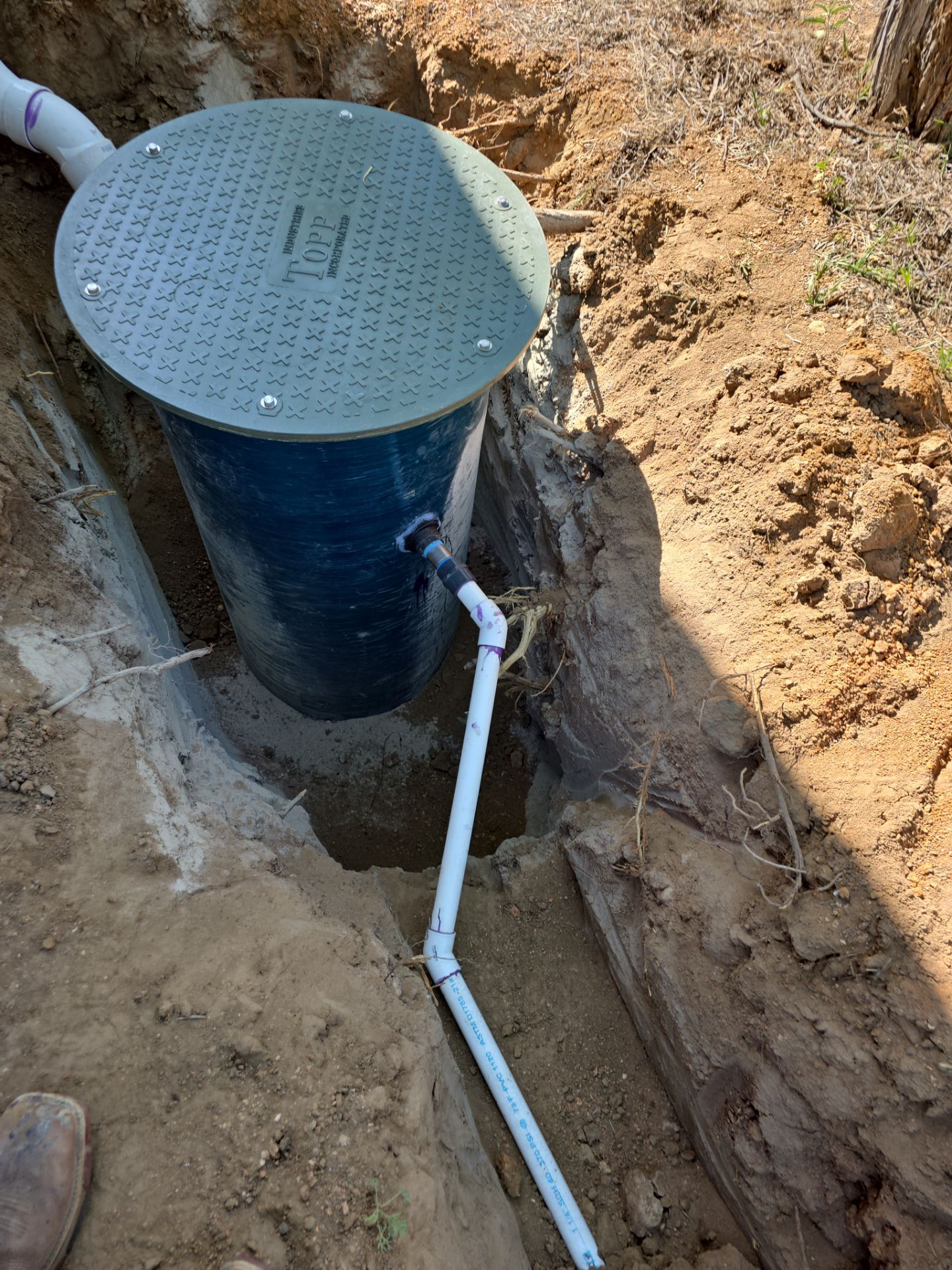
A septic repair may also involve a damaged tank lid or access components. Tanker's handles lid replacement and tank risers, which provide access for later inspection and service. Discuss the existing system and access condition when arranging a visit; do not open or enter a tank yourself.